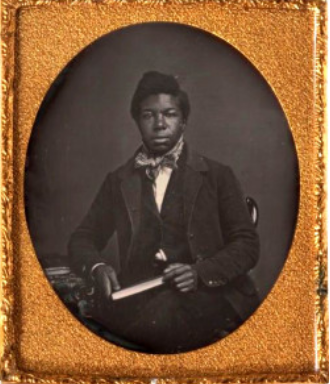
Sam Haskins was a formerly enslaved person. He was born in Virginia in February of 1846. In 1880, fifteen years after the civil war, Haskins made the cross-country trek to Los Angeles as a free man. According to the Los Angeles Times, Haskins was joined by his good friend George Warner. The two men were formerly enslaved together in Virginia. Both came to Los Angeles in search of a new life. Fifteen years later, in 1895, Mr. Haskins made the ultimate sacrifice while protecting his beloved new home, the great City of Los Angeles.
After Sam Haskins was killed in 1895, his story was forgotten for over a century. Though buried in full regalia by a cortege of the LAFD and dignitaries of the day (as described by the newspapers of the time), no markers were eventually placed on his grave.
In 1895, no line-of-duty death list was kept by the LAFD. As the years passed by and Haskins’ contemporaries passed, his story was almost lost to history.
Over a hundred years later, Los Angeles County Sheriff’s Department Crime Analyst Joe Walker was researching an unrelated case in the County Registrar Recorder’s Office in Norwalk, California. Walker accidentally found recorded evidence and pieced together the tragic story of Sam Haskins’ death and the location of Haskins’ grave.
Seeking justice for Haskins’ memory and sacrifice, Walker contacted Arnett Hartsfield. Hartsfield has been the African American Firefighters’ Historian in Los Angeles for nearly seven decades. Hatfield, now 92, is a seasoned veteran of the LAFD. He served as an L.A. City Firefighter from 1940 to 1961. Other occupations Hartsfield held were: Practicing Lawyer (USC Law, 1955), a Professor of Ethnic Studies at Cal State Long Beach, a Civil Service Commissioner under Los Angeles Mayor Tom Bradley, and is best known for his dedicated work as an integration pioneer in the LAFD. Currently deceased, he was a volunteer Historian at the African American Firefighter Museum. The museum is housed in historic former L.A. City Fire Station No. 30. Station 30 is at Central Avenue and 14th Street in downtown L.A. Three times a week, Hartsfield would greet visitors to the museum. He told stories in great detail of the fight for integration in the LAFD. While sitting humbly in the station’s former dormitory, he shared archival photographs and stories with everyone who would listen. The museum is where Hartsfield came on duty with the LAFD seventy years ago. Hartsfield was the subject of a recent article in the Los Angeles Times by reporter Bob Pool.